
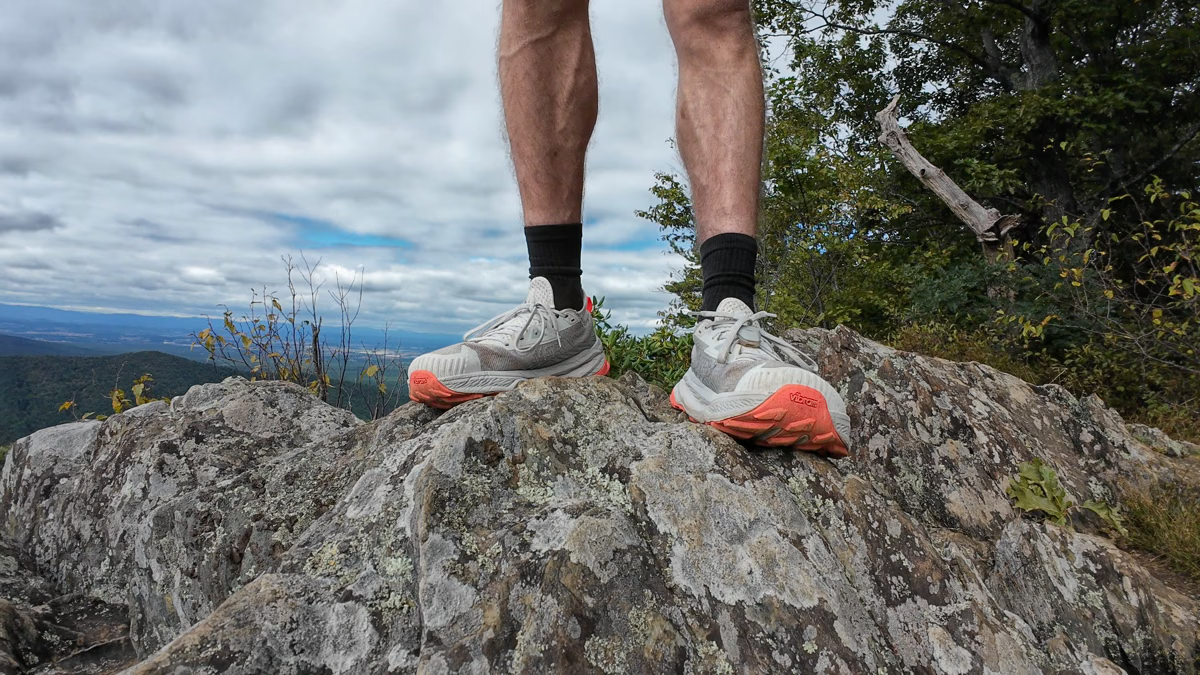
I didn’t think the Altra Olympus 275 needed much improvement, to be honest.
After 500+ miles in my original pair, it had become one of my go-to shoes for long runs and ultras. The cushion held up, I trusted the grip, and my feet had plenty of room. Hell, I still use them to this day as I write this.
But there was one thing I would’ve changed: the weight.
Enter the Altra Olympus 275 HiLo. It’s as if Altra was listening to me. I still get the cushion, fit, and grip that made me keep reaching for the original, with less weight to carry around in this newer edition.
And I’ve now put 200 miles on the HiLo, including the first 72 miles of my Grindstone 100 finish. So, the main question to answer: is the lighter ride worth that $200 price tag?
Disclosure: Altra provided the Olympus 275 HiLo pair I tested.
- Buy if: You want a cushioned, roomy trail shoe for long training runs and ultras.
- Skip if: You prefer more ground feel or don’t want to transition to zero drop.
- Best thing: The lighter feel without giving up the comfort I liked in the original.
- Main tradeoff: At $200, I wouldn’t replace a perfectly good pair of original 275s just to upgrade.
Altra Olympus 275 HiLo Overview
The Olympus 275 HiLo is the follow-up to Altra’s original Olympus 275. And while the two look similar at first glance, Altra made some changes under the hood.
The biggest one is the midsole. The original used compression-molded EVA foam, while the HiLo uses Altra’s updated EGO MAX foam. It still has the same 33 mm stack height and zero drop, but the HiLo feels noticeably lighter. On my scale, my size 12 HiLo came in 2.8 ounces lighter per shoe than my original 275.
Up top, there’s a MATRYX upper and an integrated scree sleeve to help keep trail debris out. Underneath, Altra paired Vibram Megagrip with Traction Lug for grip. So, while it keeps the high-cushion, roomy feel of the original, the HiLo aims to package it in a lighter shoe.
- Platform: 0 mm drop (zero-drop)
- Stack: 33 mm (max cushioning)
- Outsole: Vibram Megagrip with TractionLug
- Midsole: Altra EGO MAX cushioning
- Upper: MATRYX® with integrated scree sleeve
- My measured weight: 11.9 oz (men’s US 12)
- Price: $200 USD
Altra Olympus 275 HiLo
The Olympus 275 HiLo pairs 33 mm of EGO MAX cushioning with a roomy fit and Vibram Megagrip traction. After 200 miles, the lighter ride is the biggest upgrade for me, especially on long training runs and ultras.
Shop HiLo at AltraI may earn a commission if you buy through this link, at no additional cost to you.

What I Like About the Altra Olympus 275 HiLo
1. Nearly three ounces lighter than the original
It’s easy to notice the weight difference as soon as you pick up the HiLo. It feels significantly lighter. But, to confirm my thoughts, I put both shoes on the scale to see what the actual difference was.
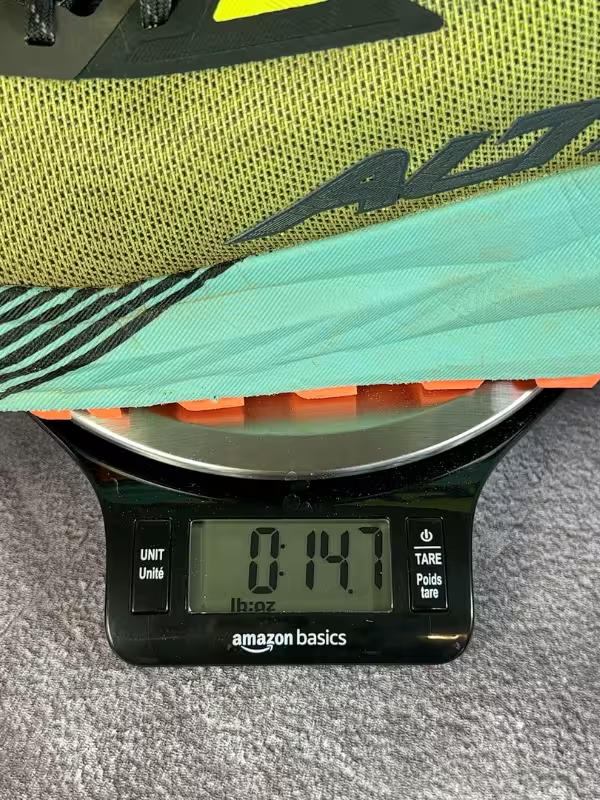
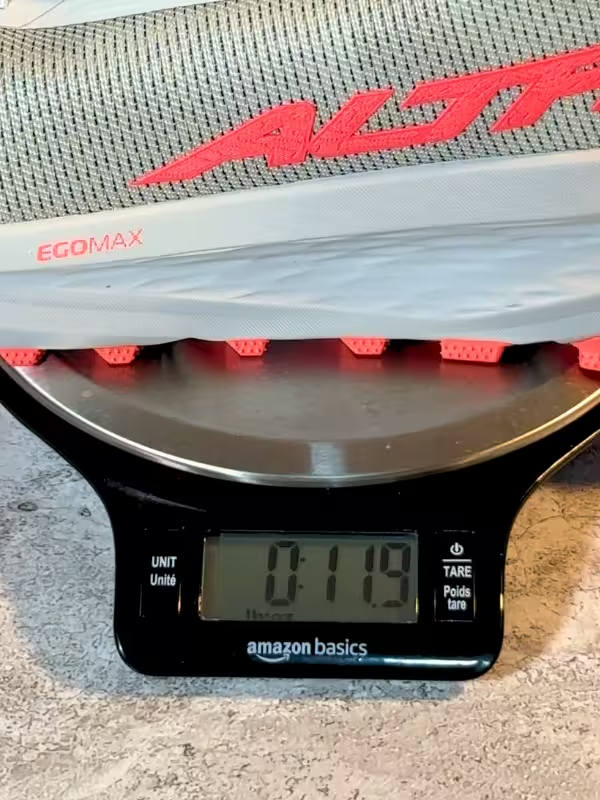
In my size 12, the HiLo weighed 11.9 ounces per shoe compared to the original’s 14.7 ounces. That’s a 2.8-ounce reduction per shoe, or roughly 19% less weight. That might not sound like a massive difference. But when you’re spending hours on your feet, repeatedly picking them up over rocks, roots, and uneven terrain, I’ll gladly take any weight savings I can get.
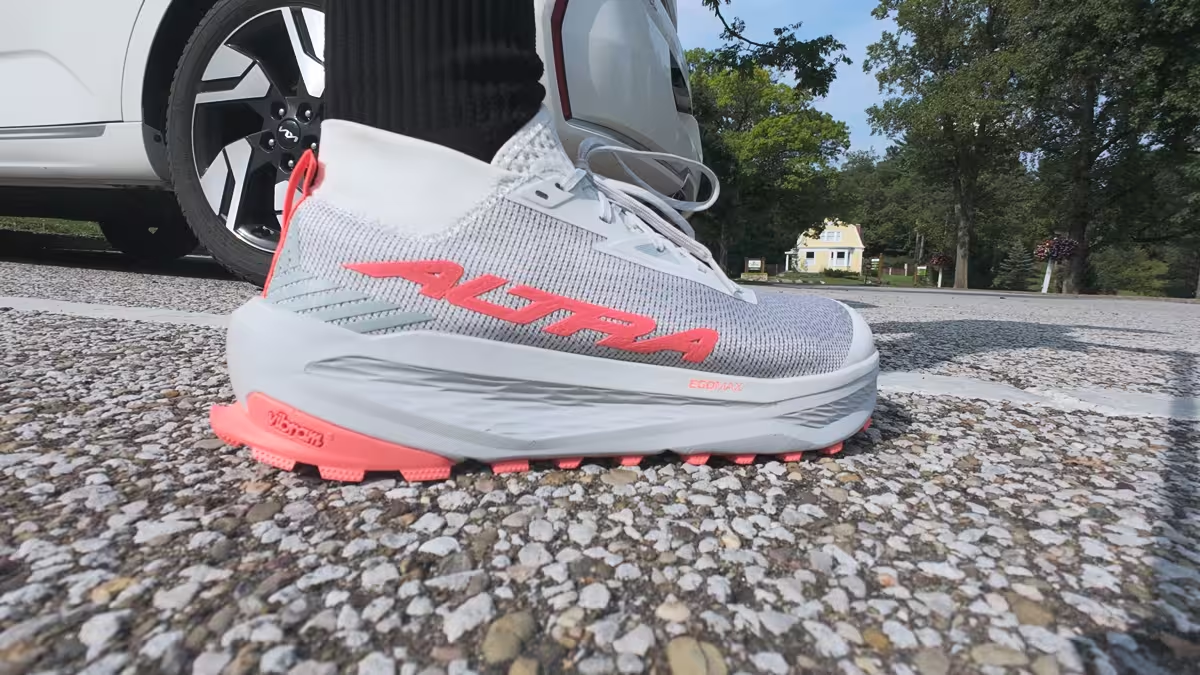
The HiLo feels noticeably lighter on my feet, too. I could really tell at Grindstone when I switched from the HiLo to the original Olympus 275 at mile 72. It’s not enough to derail a race or anything, but I definitely noticed the slight bit of weight added to my feet, almost as if I had a thin layer of mud on them vs. when I was wearing the HiLo.
The weight is the change I appreciate most in the HiLo. It’s a HUGE improvement for me.
2. Cushioning that holds up over long distances
The cushioning was one of my favorite things about the original 275. I didn’t want to lose that comfortable ride just to save some weight. Thankfully, I haven’t felt like I did.
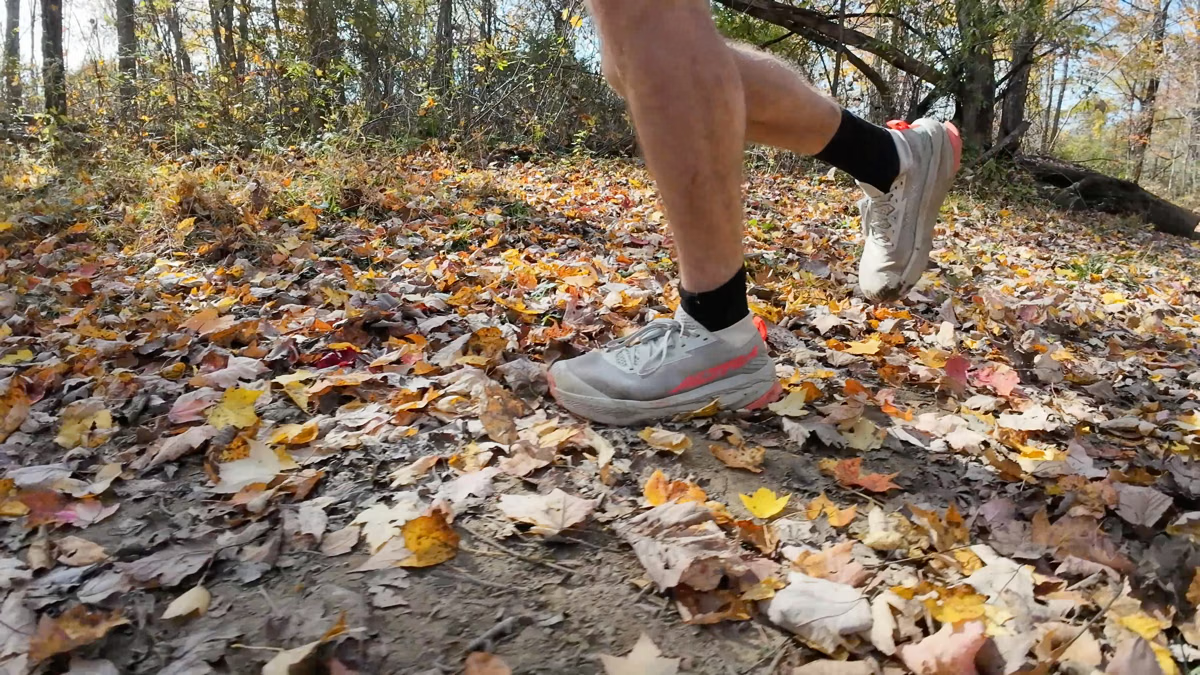
The original 275 used compression-molded EVA foam, which felt good underfoot. The HiLo uses updated Altra EGO MAX foam. Altra describes that foam as 15% lighter and 10% softer than the previous version. Those figures refer to the foam, not the weight of the whole shoe. The shoe is definitely lighter. The difference in softness is slightly harder for me to notice.
At Grindstone, I rarely thought about the cushioning, which I consider a good thing in a race. My feet were taking a beating, but the shoes kept doing their job. When you’ve got hours of running left, having one less thing to think about is a big deal.
That’s what I wanted from this update. A lighter shoe that still feels comfortable after hours on trail. And so far, that’s what I’ve gotten.
3. Excellent grip on wet and dry terrain
The grip was another reason I kept reaching for the original Olympus 275.
Before the 275, wet rocks and roots made me nervous. I’d second-guess where I was putting my feet, and sometimes I didn’t even want to run certain trails in bad weather because I didn’t trust my shoes.
The 275 changed that for me on almost all terrain. And somehow, Altra managed to make it even better with the HiLo, and it’s still doing its job 200+ miles later.
The HiLo has Vibram Megagrip with TractionLug, and I’ve felt more confident in its traction. I’ve taken it up steep climbs, down technical descents, and across wet rocks, roots, and loose dirt throughout the Appalachian Mountains, out in the Rockies, and every type of trail between. The grip has been fantastic.
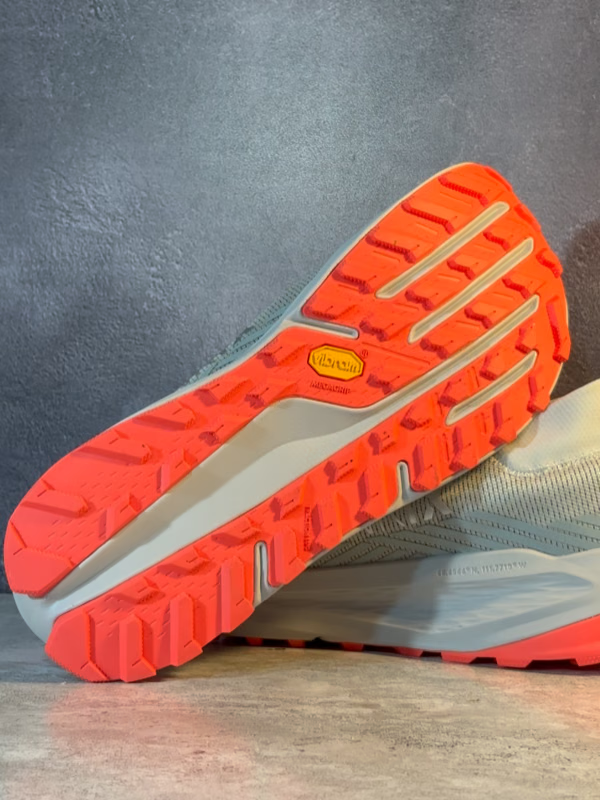
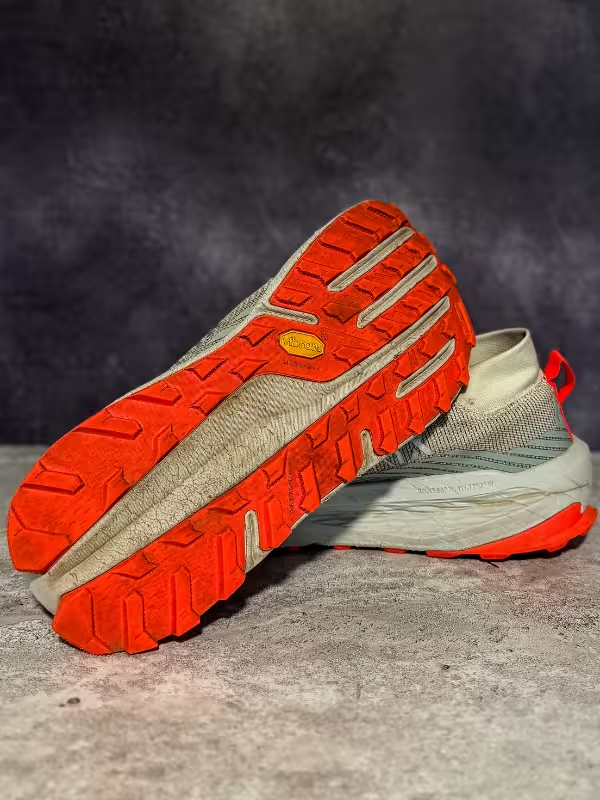
In fact, sometimes it’s almost too good.
I’ve barely skimmed the top of a rock with my shoe and started stumbling because the outsole caught it. More than once. Obviously, I’m kidding about it being too good. But it’s a testament to how much this outsole grabs terrain and holds on.
4. A roomy fit and protection for rocky trails
I wore my usual size, men’s US 12, and it fits well. I haven’t noticed the HiLo feeling significantly narrower or fitting differently than the original 275. And that’s not surprising when you look at them. If it weren’t for the colorway and some minor changes, they look almost identical.
Like the original Olympus 275, the HiLo has Altra’s signature roomy toe box. It gives my toes plenty of space to spread out naturally, with room between my toes and the front of the shoe.
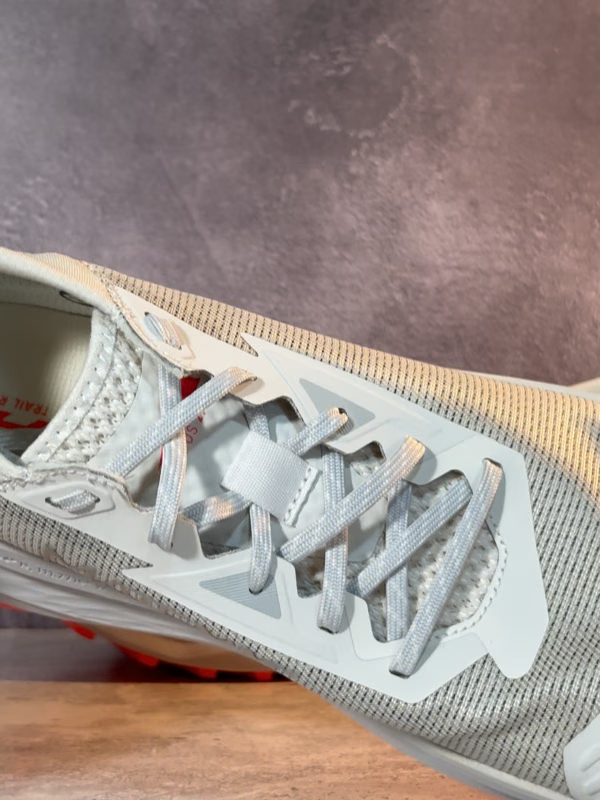
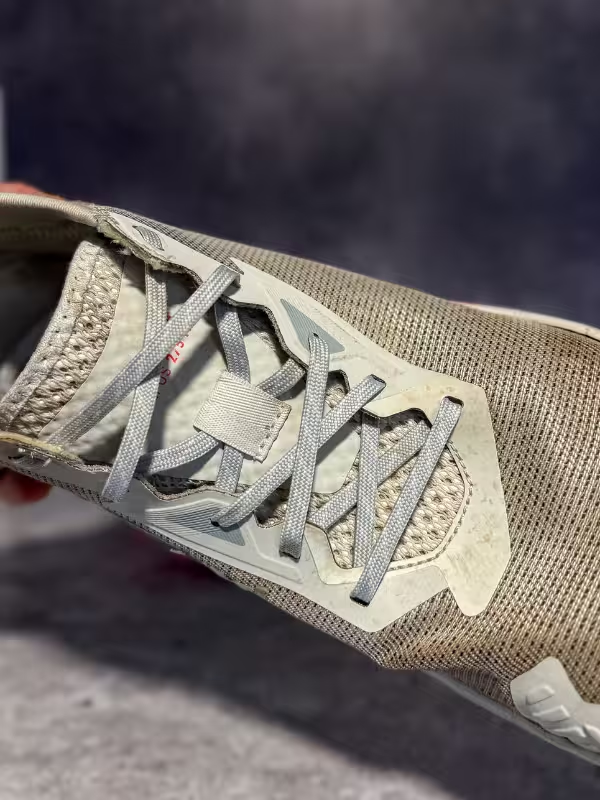
And the best part is that Altra hasn’t sacrificed the fit to provide that extra room.
I could probably dial the lockdown in a little more with different lacing, but I haven’t experimented with that yet. The fit has been fine as it is.
The scree sleeve helps, too. It sits comfortably around my ankle and keeps most small rocks out. Fine dirt and dust still get in, but it is minimal compared to other shoes I run in that don’t have the sleeve.
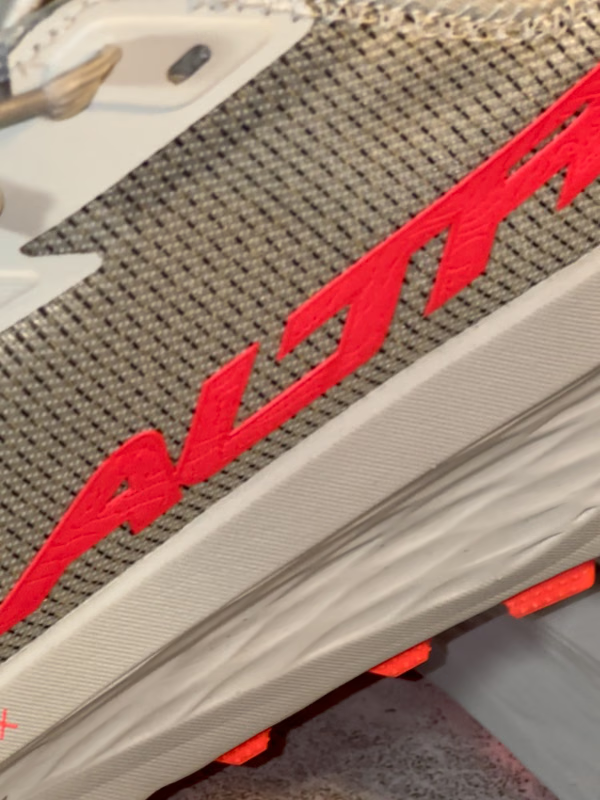
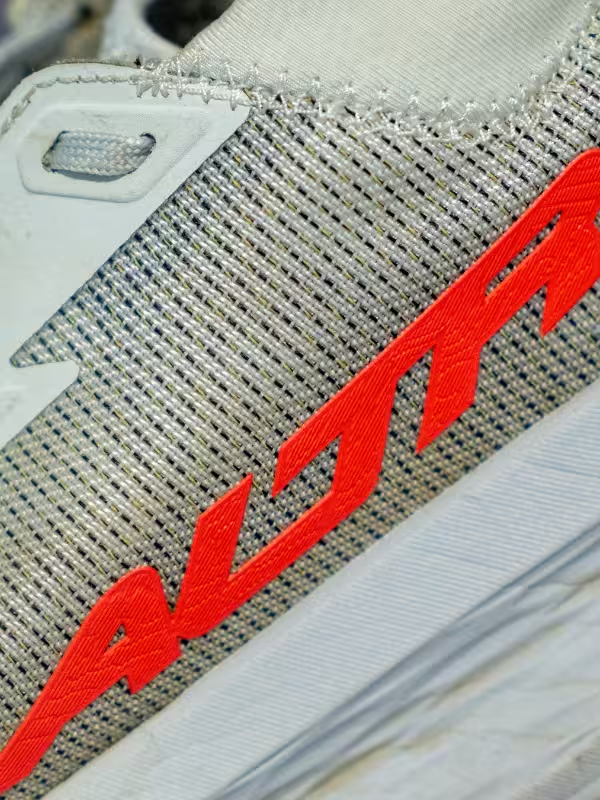
One thing I have noticed is when I’ve gotten these shoes fully soaked. There’s a little movement from the insoles when they’re that wet, which some runners may not enjoy.
The foot protection is excellent, though. I can’t tell you how many rocks I kicked during Grindstone, but it was more than I cared to. But the toe bumper earned its keep. A few of those kicks hurt enough to make me really appreciate having it there. I’d feel some of the pain, but I knew the shoe was taking the brunt of it all.
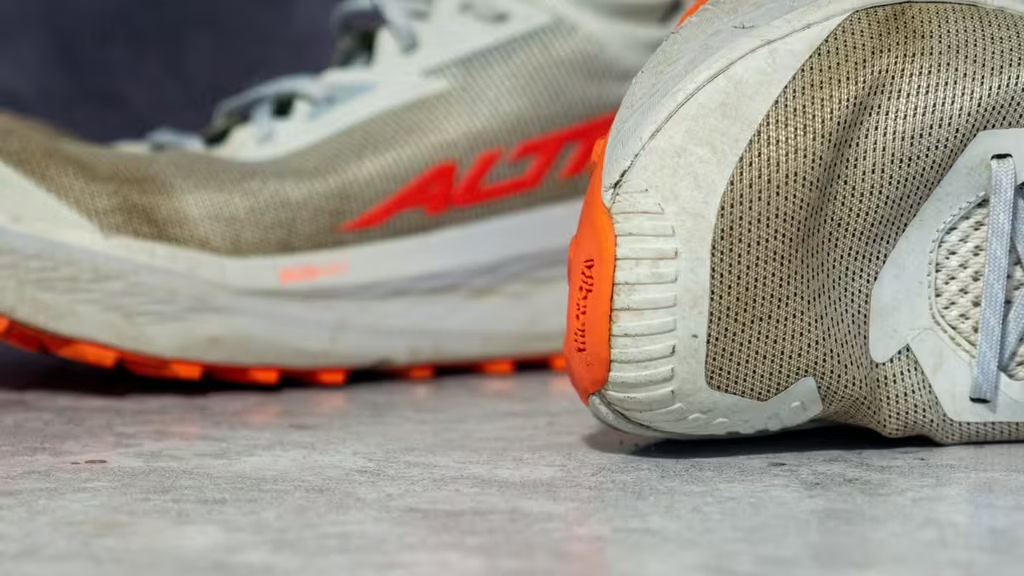
After that many kicked rocks, I was pretty happy to finish with all my toenails intact. At mile 72, I ended up swapping into my original Olympus 275 to get a clean, dry pair on my feet. So, technically, the Olympus 275 family line carried me to the finish line.
But, considering the amount of abuse I put them through, I’m incredibly happy with how the HiLo performed.
What I Don’t Like About the Altra Olympus 275 HiLo
1. The high stack isn’t my favorite for fast, technical running
I go back and forth on this one. The taller stack has grown on me, especially as I’ve spent more time in these shoes and after running ultras. After that many hours on my feet, I’m pretty happy to have all that cushion under there.
But 33 mm is still a lot of shoe, and it isn’t always what I want on really technical trails.
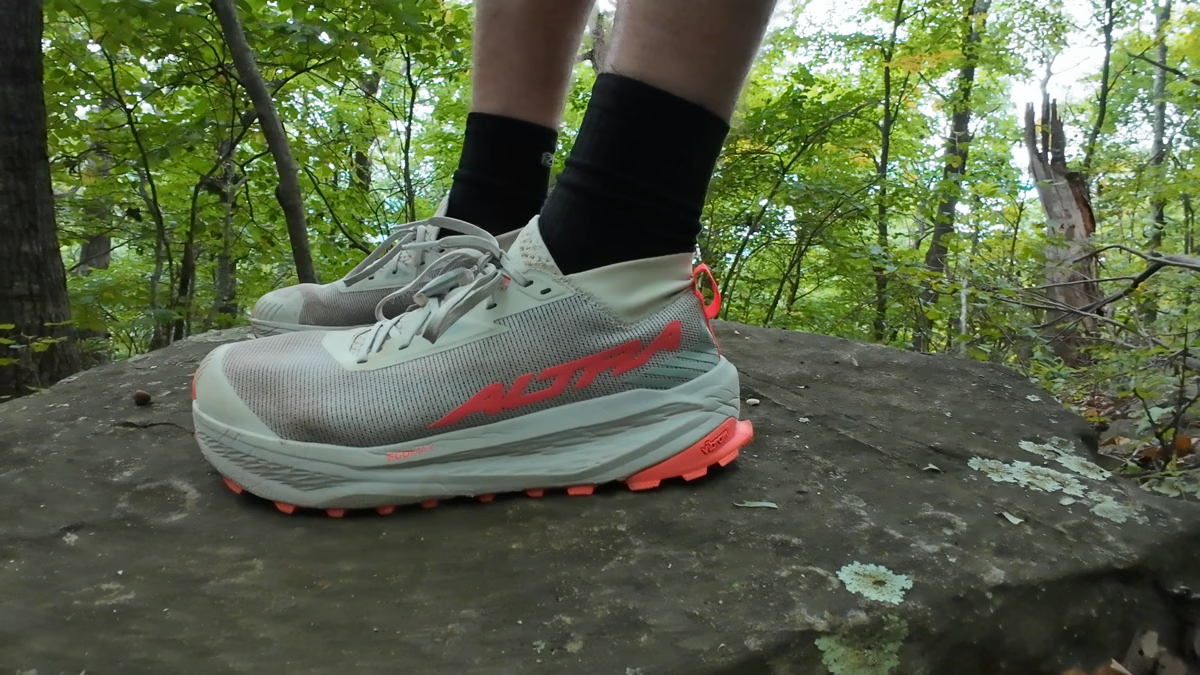
I’ve run plenty of rocky, root-covered Appalachian trails in these, and they’ve done well. The wide base helps keep my feet stable on uneven ground, and the grip gives me a lot of confidence. So I haven’t had much trouble with instability in these.
But, when I’m moving quickly across a technical section, hopping between rocks, or constantly adjusting my foot placement, I generally prefer something a little lower to the ground.
Losing the weight from the original 275 helps, but I still notice how high my foot sits when I’m trying to move quickly through rocks. And that’s perfectly fine.
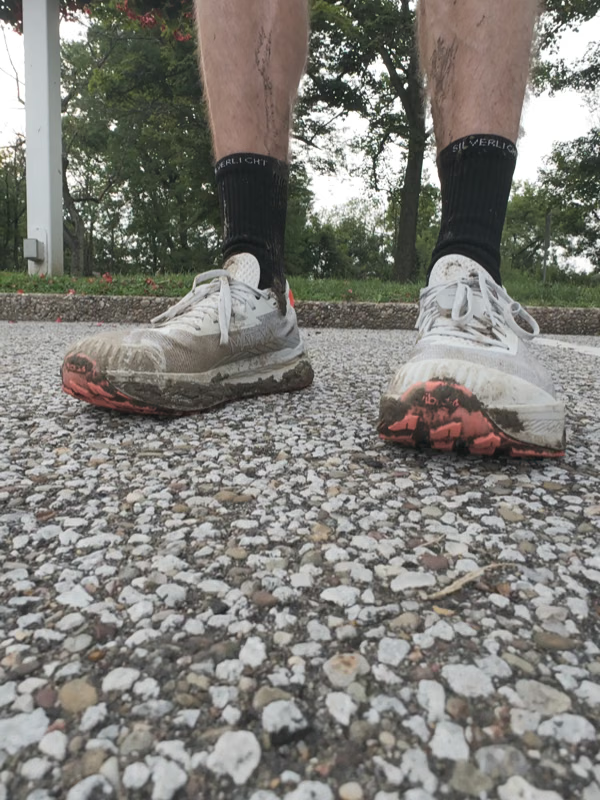
For me, the HiLo makes the most sense when I’m going to be out there for hours and want my feet to stay comfortable. If I’m heading out for a long run or an ultra where I want plenty of cushioning, I’ll happily reach for the HiLo.
But if I’m planning a shorter, faster effort on especially technical trails, I’m probably grabbing something with a lower stack height instead. But that honestly comes down to personal preference.
2. Where’s my Nickelodeon colorway?
This is a ridiculous complaint, but I miss my Nickelodeon shoes. The bright green, orange, and blue pair in my original Olympus 275 review looked straight out of a ’90s commercial, and I loved them for it.

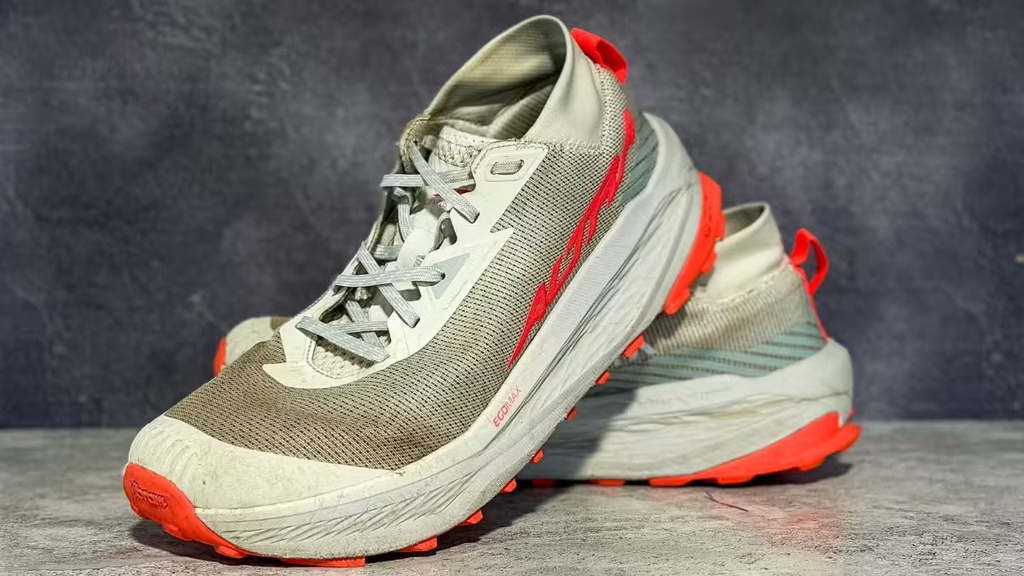
I like my HiLo colorway, and I’m not going back to the heavier pair over the color. But Altra, if you’re reading this, bring back the Nickelodeon shoes. I love shoes that take bold (and usually bright) chances with colorways.
3. That $200 price tag still hurts
$200 is a lot to spend on a pair of shoes. But after more than 200 miles, the HiLo is holding up really well. There’s some minor wear, but nothing that has me worried. My original 275s made it past 500 miles, so I’m curious to see if these can do the same. If they do, that price gets a little easier to swallow.
How are the Olympus 275 HiLo holding up after 200 miles?
I’m only 200 miles in, so I can’t tell you how long they’ll last yet. But so far, the wear has been pretty minimal.
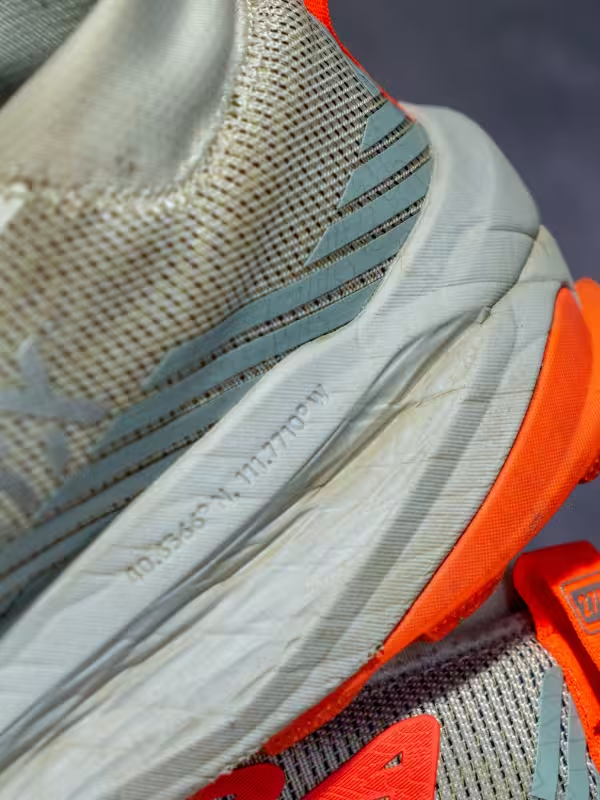
There’s some minor wear on the midsole and outsole. And the midsole has clear compression lines. But, honestly, I’m impressed with how good these things look. The very first run I did in them was on an extremely muddy trail. And they got absolutely caked in mud.
So, for them to clean up as well as they have, I’ve gotta give them credit.
The main thing I’ve noticed is some of the small printed details wearing off, like the MATRYX lettering on the side. But, this has no impact on the quality or the performance of the shoe so it doesn’t bother me much.
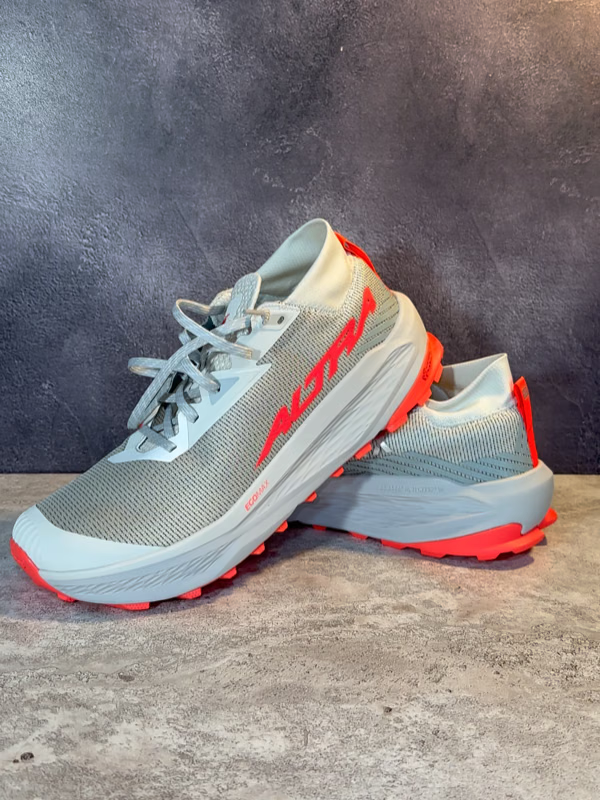
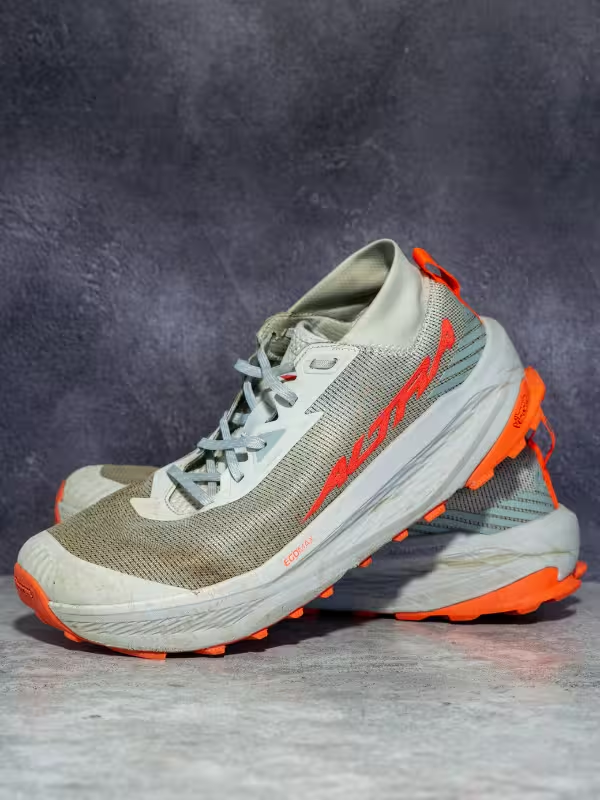
At 200 miles, the ride still feels comfortable and bouncy, much like it did when I first got them. I’d expect some bounce to fade with use, but it hasn’t been enough for me to notice or change how I feel about running in them. They’re still the primary shoe I grab when I’m going out for a longer trail run.
We’ll see how they hold up through fall and winter as I put more miles on them in less-than-ideal conditions.
Should you buy the Altra Olympus 275 HiLo?
If I were buying a pair today, I’d go with the HiLo. The lighter feel is worth it to me, especially since I’m still getting the cushioning, room and grip I liked in the original.
If you already own the original Olympus 275, I’d wear those out before buying the HiLo. The weight savings are a big improvement, but I still love the originals. There’s no need to retire a good pair early. But, if another $200 fits your budget, rotating the two is another option.
That’s what I did during training. So, I’m clearly a big fan. And, if you’re reading this, I think you may end up being one as well.

Leave a Reply